
mighty
choices
today.
Preconception care helps you prepare your body and mind for a healthy pregnancy. It involves managing any health conditions, like diabetes or high blood pressure, and ensuring you're taking essential vitamins like folic acid to reduce the risk of birth defects.
By addressing potential risks and focusing on healthy habits such as nutrition, exercise, and lifestyle choices, you can set the stage for a healthy pregnancy and baby.

How do I know if l'm ready to start a family?
Readiness for pregnancy can be physical, emotional, and financial, but may look different for each person or family. Through our preconception counseling services, we'll help you evaluate your health, lifestyle, and overall preparedness for a healthy pregnancy.

How can I improve my health before pregnancy?
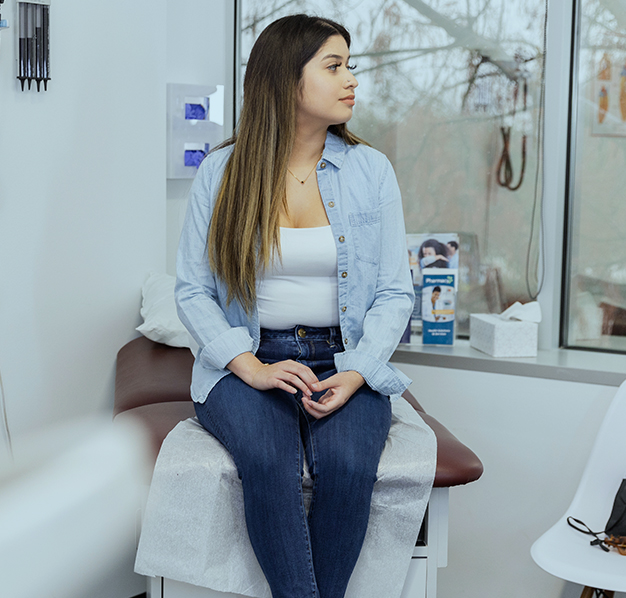
How can the health department help?
Preconception Health, also referred to as pre-pregnancy care, is a woman’s health before she becomes pregnant. The American Colleges of Obstetricians and Gynecologists (ACOG) recommends that any woman, especially those who plan to become pregnant, have annual reproductive health checkups, even if they’ve been pregnant or given birth before. The goal of these checkups is to ensure your reproductive health by finding any potential concerns that could affect your pregnancy, as well as to help you make plans to become pregnant. A fetus develops major organs in the first eight weeks of pregnancy, so finding any concerns early on is extremely important. You may want to schedule this visit with the doctor you want to take care of you throughout your pregnancy, and this can be done even up to a year before you want to get pregnant.
What to expect during this visit: Your doctor will likely talk about your lifestyle and diet, your medical and family history, any medications you take, and any past pregnancies. As part of your medical history, they will also check your vaccinations to make sure you’re up to date, as well as go over the risks of sexually transmitted infections (STIs) during pregnancy. This is also a great time for you to bring up any concerns and ask questions. Talk to your doctor about taking folic acid to help prevent birth defects called neural tube defects, which effect the brain and spine. Ask your doctor if any medication you’re currently taking poses a risk to a potential pregnancy. If so, it might be possible to work on switching to a safer treatment option. Along with asking your doctor all of your questions, they will probably want to perform a few tests outside of the physical exam:
- Pelvic exam to check the health of pelvic organs (vagina, cervix, uterus, and ovaries).
- Pap test to examine cells from your cervix to check for cancer
- Blood type and Rh factor
- Discuss options for referrals to a genetic counselor


Getting Healthier Before Pregnancy can be the best time to do so. You may want to change your nutrition intake to ensure you’re eating a healthier diet and begin taking a prenatal vitamin. Other things to include could be getting regular exercise, reaching and maintaining a healthy weight, stopping the use of unhealthy substances such as tobacco, alcohol, or illicit substances. The months before pregnancy are also an ideal time to make sure your home environment is safe for pregnancy and an infant.
Dental care during pregnancy: Keep your regular dental checkups before and during pregnancy. Research shows that there may be a link between gum disease and having a premature or low birthweight baby (born weighing less than 5 pounds, 8 ounces). If you already have gum disease, it may be best to wait to get pregnant after receiving treatment. Just don’t forget to remind your dentist if you’re planning to get pregnant or that you are pregnant.
Chronic Conditions and Pregnancy: A chronic condition is one that lasts for at least 1 year or more and needs ongoing medical care. These conditions may also limit a person’s quality of life. The United States, Tennessee in particular, has seen an increase in risk factors that lead to people developing chronic conditions. Some of these risk factors include poor nutrition, limited physical activity, being overweight, smoking or using tobacco products, and using alcohol and illicit substances. Chronic conditions can affect any system in the body, such as the cardiovascular system, immune system, endocrine system and hormones, and your mental health. Specific examples of dangerous conditions during pregnancy include:
- Heart disease
- High blood pressure or hypertension
- Obesity
- Asthma
- Lupus
- Rheumatoid arthritis
- Psoriasis
- Diabetes
- Thyroid conditions
- Mental health conditions (depression, anxiety, etc.)

While women with chronic conditions can and do have healthy pregnancies and healthy babies, these conditions increase the risk of certain pregnancy complications. Make sure to tell your doctor about any history of conditions so you can work carefully together to manage your health and prevent the risk of:
- Infertility (trouble getting pregnant)
- Preterm birth (birth before 37 weeks of pregnancy). Babies born preterm, or premature, are more likely to have health problems than babies carried full term. In Knox County, premature births are one of the leading causes of infant mortality.
- Birth defects
- Pregnancy loss (miscarriage or stillbirth). A miscarriage is the death of a baby in the womb before 20 weeks of pregnancy, whereas a stillbirth is the death of a baby in the womb.