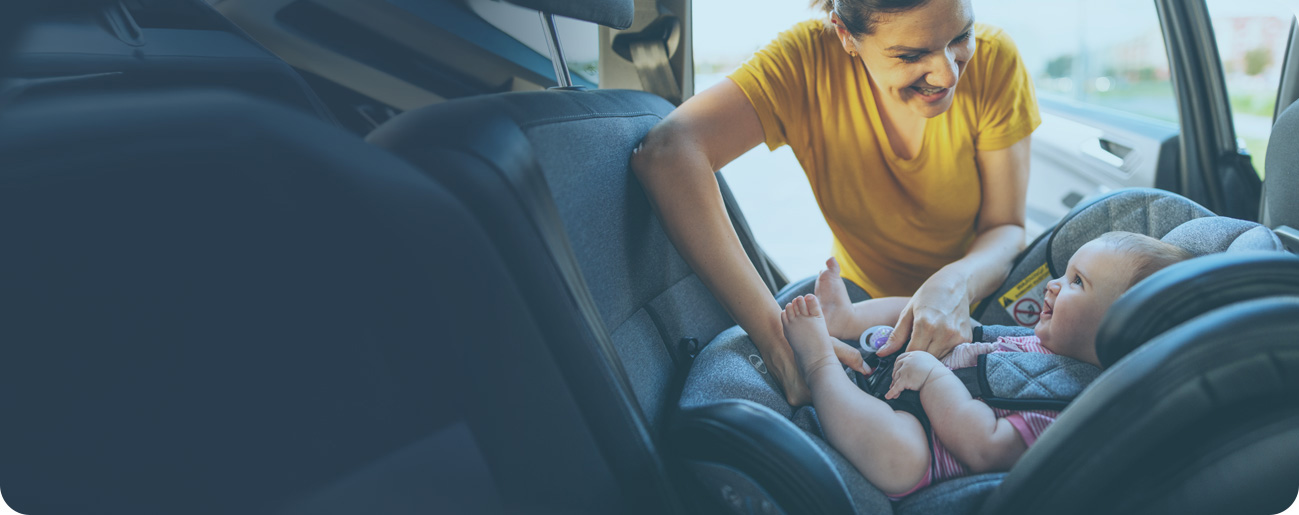
It may feel overwhelming to think of all the things you need to do to keep your little one safe, especially if this is your first child.
We are here to help you make some simple adjustments that will ensure your environment is safe for your little ones. It’s never too early to baby proof your environment as they grow mighty fast and will be into everything before you can blink! Below are some areas to consider to get you started.
Choking & Strangulation Hazards
Small Items
Magnets, buttons, jewelry, batteries, coins, and other small pieces that can be accessed easily within baby’s reach. Look for stuffed animals with fabric or sewn eyes instead of hard plastic or button eyes as they can be easily chewed off.
Strings & Cords
Electrical cords, strings from window blinds, and drawstrings on clothing. Don’t tie anything to your baby’s pacifier or toys like ribbon or string.
Age-Appropriate Toys
Make sure you are picking age-appropriate toys paying close attention to small parts and pieces. If your baby has older siblings with small toys, make sure those toys stay off the floor and out of reach from the baby.
Help older siblings understand the concept of choking hazards with a visual. Use an empty toilet paper tube and have them test if their toys can fit inside it. If the toy easily goes through the tube or goes in but gets stuck in the tube, it is a choking hazard. Put them in charge of being the “official toy tester” of the house with the toilet paper tube in hand—it will help them feel mighty important!
Table Foods
When babies begin eating table foods, cut them into tiny pieces. Safe Kids Worldwide recommends that children under 5 should not eat small, round or hard foods, including pieces of hot dogs, cheese sticks or chunks, hard candy, nuts, grapes, marshmallows or popcorn.
Medication
Place all medications high and out of reach in a locked cabinet.
Kids are naturally curious and while it is excellent for their development to explore their environment, they don’t fully understand the general concept of danger until they are close to 5 years old. Before then, medicine just looks like fun, colorful candy to them and who can resist candy, right?
Keep medicine in original packaging.
Keep medicine in its original container or packaging and use child safety caps whenever possible. Most prescription bottle lids have a safety feature built in, depending on which way you turn the lid but keep in mind, these caps are “child-resistant” not “childproof”.
Keep non-prescription products in mind too.
Think about all products when securing medicine, not just prescriptions. This can include things like vitamins, eye drops, diaper rash cream, and any over the counter product. Many vitamins now come in gummy form so again, they look like candy or a fun treat to a child.
Bathroom & Water Safety
Supervise around all water activities.
Always supervise children in any kind of activity involving water as young children can drown in just a couple of inches of water. If something requires you to leave the area where your child is in water (bath, pool, etc.), wrap them in a towel and take them with you even if it is something quick like answering the doorbell or grabbing some more soap.
Monitor water temperature to prevent burning.
To prevent scalding, healthychildren.org recommends you set your water heater no more than 120 degrees Fahrenheit but always test the temperature on your wrist or elbow first to ensure it is warm, not hot.
Keep electrical appliances away from water.
Be sure to unplug all electrical appliances in the bathroom (hair dryer, razors, curling irons, etc.) and store them in a locked cabinet or in another room where there is no water.
Keep the toilet lid closed.
Get in the habit of closing the lid on the toilet or even install a child safety toilet lock. Toddlers are very curious, especially as they are learning to be more independent and mobile, so they may see the toilet as a fun place to play in the water.
Car Seats
Get help if you feel overwhelmed.
Car seats can be overwhelming to understand, and it may feel like you need a whole class on how to even read the manual! Thankfully, there are people called Child Passenger Safety Technicians (CPSTs) who have gone through rigorous training and are specially certified to inspect your car seat for safety and proper use. Here is what you can expect from an inspection.
You can also visit the National Highway Traffic and Safety Administration (NHTSA) to find an inspection station near you or use their search tool to help you find the right type of car seat for your child’s age, height, and weight.
The City of Knoxville Police Department conducts monthly Child Safety Seat Checkpoints at the City Government building (located at 917 E. Fifth Ave). These checkpoints, conducted by KPD personnel who have earned their CPST certification, are free to the public.
Secure harness snug to their chest.
When securing their harness, the chest clip needs to be snug to their chest at arm pit level. Make sure that the straps are not twisted or loose. The straps need to be tight enough to where you cannot pinch together more than an inch of fabric at their shoulders, but you are still able to slide a finger under the strap.
Remove your child’s coat before putting them in their car seat.
The material of a coat will compress in a crash and the extra slack from where the coat was in the harness can cause serious injury. Instead, take the coat off and place it or a blanket over the child’s body or lap once they are properly secured.
Stay in rear facing car seats as long as possible.
Children should remain rear facing as long as possible up to the seat’s height and weight limit, which can vary by brand and type of seat. You can check yours in the user manual or look for the labels on the side of the car seat.
Don’t skip the booster stage.
A common step people skip in child passenger safety is the booster seat stage. Once they have hit the maximum height and weight limits of their car seat, they might still need a booster. If the seat belt does not contact them at their shoulder and hips when sitting alone in the seat, then they still need a booster. The seat belt should not contact their neck or be too high on their stomach as these can cause serious injuries in a crash. When using a booster, be sure to look at the height and weight limits and use it until your child has outgrown these measurements.
Safety for kids after they graduate from the booster.
Once they no longer need a booster seat, they should always use the lap and shoulder belt together. The best way to teach your child this is to model the behavior. Wear your seat belt properly every time even if just for a short drive around the block. Make it a routine that everyone in the car must be buckled in before putting it into drive.
Children under 13 years should always ride in the back. The force of an airbag deploying in a crash can cause serious injury to younger children on their smaller body frame.
Guns
Know the Risks of Firearms.
Unintentional injuries are the leading cause of death in children and adolescents. Specifically, firearms account for the largest portion of those.
As with everything else, kids are naturally curious and are learning through exploring their environment which is great for their development. However, finding and playing with a gun is the most common cause of death from a firearm among children. Having one in the home increases this risk.
Use proper gun storage.
If you have a gun in your home or vehicle, you can keep children safe by storing it unloaded, locked in a gun safe or with a cable, and out of sight and reach. Also store ammunition in a separate, locked container.
You can find a free cable lock pickup location here through Tennessee’s Safe Store program. The lock is a 15-inch cable that can secure most shotguns, rifles, pistols and revolvers.
Don’t overlook non-lethal guns.
A commonly overlooked area of gun safety is the use of BB guns, paintball guns, and pellet guns. These can still cause serious injury when used improperly so be sure to follow the same precautions for storage as listed above.
Gun safety at friend’s and family’s houses.
Before allowing your child to visit or play at a friend’s home, be sure to ask about guns and safe storage. While this may be an uncomfortable topic, it’s no different than asking about pets, allergies, or other safety concerns. You can get the conversation started by saying “I read about it on this website called Mighty Moments…” or “my pediatrician suggested I ask…”
To give you an idea of some other things besides gun safety to ask about before allowing a playdate, click here.