
Prenatal care is the important medical care you receive during pregnancy.
It's important to schedule an appointment with your provider as soon after finding out that you're pregnant as possible. Even if you're feeling fine and like everything is normal, make sure to go to all of your prenatal checkups to have a healthy pregnancy and a full-term baby.
did you know?
Babies of mothers who do not get prenatal care are three times more likely to have a low birth weight and five times more likely to die than those born to mothers who do get care. Every woman needs prenatal care for every pregnancy.
Find a licensed prenatal care provider.
There are a lot of medical professionals who provide maternity care. Below is a brief summary of people who are certified and well-equipped to do so:
Other things to keep in mind before making a final decision on a provider.
- Is this provider in-network for your health insurance?
- What's their reputation? Do they have good reviews online?
- Do you prefer your provider to be of a certain gender or age?
- Is the office easy to get to, not too far away?
- Do the office hours align with your schedule? Is the doctor accepting new patients or do they have a waitlist?
- Is the staff supportive, friendly, and helpful?
- What hospital/birthing center does the provider use? Is that location easy to get to?
- Are there other providers in the group that could potentially see you for prenatal visits or to deliver your baby? How do you feel about them?
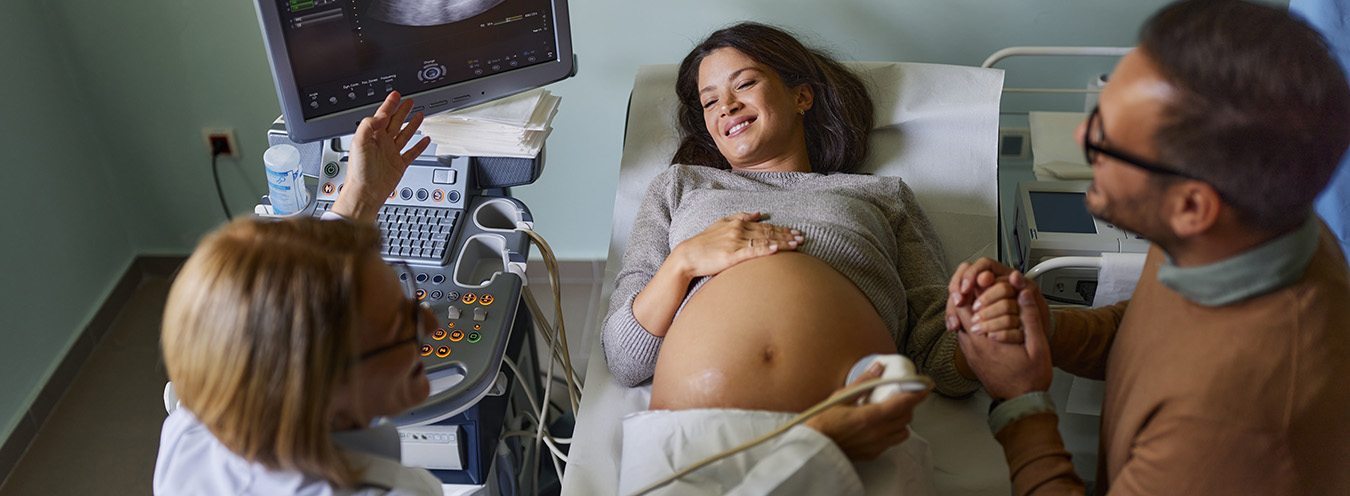
Arrive at your first checkup prepared.
No matter who you choose to provide your prenatal care, you should arrive at your first checkup prepared. Your provider will have to gather a lot of information about you to make sure you and your baby get the best care. Some of the topics may be uncomfortable but try to answer as accurately and honestly as possible. Be ready to discuss:
- The first day of your last menstrual period (this will help determine your baby's due date).
- Your health history, including any previous or current conditions, and any medications you take.
- Your pregnancy history, if you've had trouble getting pregnant before, if you've had complications in previous pregnancies, and the outcomes of any previous pregnancies.
- Any alcohol use, smoking, or drug use.
- If you're experiencing any stress, worry, or pressure.
- Your home and work environment- are you safe? Are you exposed to any chemicals or potential hazards?
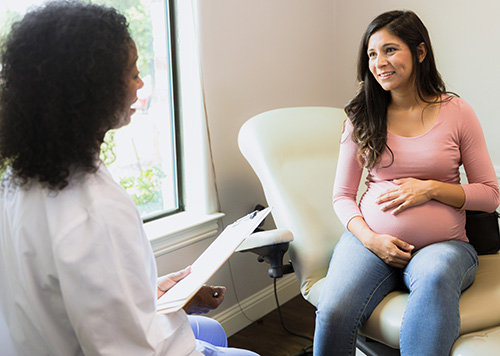
Your provider will need to do a physical exam.
Much like a preconception visit, your provider will need to do some exams. You'll have a physical exam to check your overall health (i.e., weight, height, vitals). To make sure your pelvic organs are healthy, your provider will conduct a pelvic exam and pap smear to test for cancers and certain infections. Even if you've never had an STI before, your provider will test for them during your first trimester and again before you deliver. Left untreated, STIs such as syphilis and HIV, can have devastating effects when passed from mother to baby during delivery.
Additionally, your provider will talk to you about the importance of taking prenatal vitamins and potentially having further genetics testing as your pregnancy progresses. Finally, you'll learn an expected due date for your baby's arrival!
Prenatal care schedules will look different for every woman.
Most pregnant women can expect to be seen once per month for the first seven months, or 28 weeks. From 28-36 weeks, you will likely go every other week (twice per month). Near the end of your pregnancy, for weeks 36-41, you’ll be seen every week.
For an in-depth guide about what to expect during your prenatal appointments, including testing options and questions to ask, check out the Guide to Prenatal Appointments by What to Expect.
The Mayo Clinic defines a high-risk pregnancy as one in which you or your baby are more likely to develop health problems before, during, or after pregnancy.
Typically, you may have a high-risk pregnancy if any of the following apply to you:
- You are younger than 20 or older than 35
- Any illicit substance use before or during pregnancy, including tobacco and alcohol
- Health conditions or infections (link to: see chronic conditions on our preconception page)
- Low fetal growth less than the 10th percentile for gestation. This is called fetal growth restriction
- Unusual location of the placenta
- Rh sensitization, which means the mother's blood group is Rh negative and the baby's is Rh positive.
- Pregnant with multiples (e.g., twins, triplets, or more)
- A history of giving birth too early or too late
- History of stillbirth or miscarriage
- Having a baby with a genetic condition
Your provider may want to see you more often if you've ever had complications during your pregnancy, or if this pregnancy is considered high risk.
Being told that you have a high-risk pregnancy can be overwhelming and scary. It's important that you try to take care of your mental health as well as your physical health. Try not to focus on what could go wrong and do what you can to ease anxieties and stressors in a healthy way. If you experience any of the symptoms below at any time during your pregnancy, you should contact your provider right away:
- Vaginal bleeding.
- Watery vaginal discharge.
- Pain or cramping in your abdomen or pelvis area.
- Less fetal activity than usual.
- Severe headaches.
- Pain or burning when you urinate.
- Changes in vision, including blurred vision.
- Sudden or severe swelling in the face, hands or fingers.
- Fever or chills.
- Vomiting or frequent nausea.
- Chest pain or shortness of breath.
- Dizziness.
- Weakness.
- Extreme tiredness.
- Nervousness or worry that makes it hard for you to do your daily activities.
- Overwhelming feelings of sadness or sadness that lasts.
- Thoughts of harming yourself or your baby