
Bringing your baby home for the first time can be both stressful and exciting. Let this page be a resource whenever you need a helping hand, or simply a reminder that you're doing great.
keeps your baby safe.
If your baby was born at a birth center or hospital, the first step is the car ride home! Being prepared with the right equipment and clothing for your baby makes the trip safe and comfortable.
First, install a rear-facing car safety seat in the back of your vehicle. All hospitals in the U.S. will check to make sure you have one. If you haven't picked out a car seat yet, check out the guide below.
The American Academy of Pediatrics recommends that all infants ride rear-facing starting with their first ride home from the hospital. All infants and toddlers should ride in a rear-facing seat as long as possible until they reach the highest weight or height allowed by the car seat manufacturer.
- Can be used rear facing, forward facing, or as a belt- positioning booster (longer use as your child grows)
- Bigger in size, so it is important to check that they fit in the vehicle for rear-facing use
- Does not come with carrying handles or separate bases
- May have higher limits in rear-facing weight (up to 40–50 pounds) and height
- Can be used rear facing and, later, “converted” to forward facing for older children when they outgrow the weight or length limit for rear-facing (meaning it can be used by your child for longer).
- Bulkier than infant seats
- Does not come with carrying handles or separate bases
- Designed to stay in the car
- Many have higher limits in rear-facing weight (up to 40–50 pounds) and height
- Have a 5-point harness that attaches at the shoulders, at the hips, and between the legs.
- Should be used only for a child's travel (not sleeping, feeding, or any other use outside the vehicle).
- For infants up to 22 - 35 pounds
- Small and have carrying handles
- Comes with a base that can be left in the car. The seat clicks into and out of the base, so you don’t have to install the seat each time you use it. Parents can buy more than one base for additional vehicles.
- Should be used only for a child’s travel (not sleeping, feeding, or any other use outside the vehicle).
- Place the harnesses in your rear-facing seat in slots that are at or below your child's shoulders.
- Ensure that the harness is snug (you cannot pinch any slack between your fingers when testing the harness straps over the child's shoulders) and that the retainer clip is placed at the center of the chest, even with your child's armpits.
- Make sure the car safety seat is installed tightly in the vehicle with either lower anchors or a locked seat belt. Many car safety seats have an integrated lock-off to keep the seat belt locked. If your seat has one, follow the manufacturer’s recommendations on how to use it. If you can move the seat at the belt path more than an inch side to side or front to back, it's not tight enough
- Never place a rear-facing seat in the front seat of a vehicle that has an active front passenger airbag. If the airbag inflates, it will hit the back of the car safety seat, right against your child's head, and could cause serious injury or death.
- If you are using a convertible or all-in-one seat in the rear-facing position, make sure the seat belt or lower anchor webbing is routed through the correct belt path. Check the instructions that came with the car safety seat to be sure.
- Make sure the seat is at the correct angle, so your child's head does not flop forward. Check the instructions to find out the correct angle for your seat and how to adjust the angle if needed. All rear-facing seats have built-in recline indicators.
- Check the car safety seat instructions and vehicle owner's manual about whether the car safety seat may contact the back of the vehicle seat in front of it.
Car Seat Checkpoints are hosted at 917 E. Fifth Ave in Knoxville, by appointment only. For more information or to make an appointment, call 865-215-7081 or email CarSeatCheckpoint@KnoxvilleTN.gov
- Check with a certified Child Passenger Safety Technician in your area who can help
- Shopping for Car Seats: Tips for Parents - healthychildren.org
- Car Seats: Product Listing for 2025 - healthychildren.org
- How To Put a Baby Into a Car Seat Properly - Parents.com
- Tennessee Highway Safety Office Child Passenger Safety Fitting Stations


CRYING
All babies cry, and some cry more than others. This is your baby’s way of communicating before they can say words. Sometimes it's easy to figure out what makes babies cry.
Are they hungry? Have a wet diaper? Or something else? Sometimes, they need to be comforted. You know your baby best! If your baby likes it, try swaddling. This reminds them of the comfortable feeling of being inside the womb. Walking, humming, singing, or gently rocking your baby may also help. Sometimes they just need to know you’re there.
Sometimes, your baby will still cry no matter what you try. If you're feeling frustrated, it's okay to put your baby back into the crib and let them cry it out. Remember, crying is just what babies do at this age, and this phase will pass.


CLOTHES
When dressing your baby for the ride home, remember that newborns have never felt sunlight or outdoor breezes before. Dress them in a soft cap or hat and use a lightweight blanket to shield delicate skin. Infants have surprisingly large heads, which makes them susceptible to heat loss. Just take off the hat when your baby sleeps to avoid overheating.
Cooler temperatures call for an infant coat with soft, absorbent layers underneath and blankets to chase away chills. In the car, your baby should be dressed in thin, snug layers like a long-sleeved bodysuit.
Do not strap the baby in the car seat with puffy coats or blankets under the straps. In a car crash, fluffy padding in a coat immediately flattens out from the force, leaving extra space under the harness that a child can slip through.

TALK
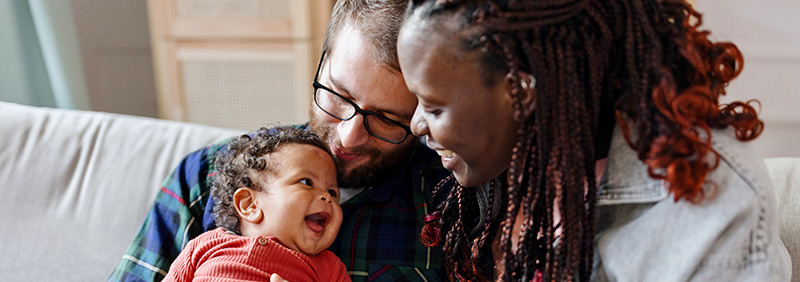
Sometimes those feelings are love. Sometimes they are frustration, humor, or boredom. Hearing you talk—the sounds and rhythms of speech, the expressions on your face, and the way you hold them—teaches babies about emotional expression.
Babies can’t speak or understand the words being said to them, but they learn a great deal about the sounds and rhythm of language when their caregivers talk to them. When your baby babbles and coos, and you respond, they learn the back-and-forth of conversation.
Around two months old, your baby might start smiling, giggling, and then babbling. These changes are the first steps in learning language.


AFFECTION
This physical affection helps babies control their own emotions. Close physical connection between babies and parents is so important that pediatricians recommend skin-to-skin contact right after birth to help the newborn adjust to life.
Having a parent hold the baby close is so important that it is part of the care given to premature infants in the hospital. This expression of love rewards the baby and brings joy to parents.
Relationships between parents and infants are the most important and satisfying connections we ever have. They are what keep parents and children stable and resilient through the ups and downs of life.
Creating these positive experiences in the first year of life goes a long way toward helping your baby develop healthy relationships for a lifetime.


SUPPORT
Parents cry, too! When babies sleep so little and cry so much that you feel tired, exhausted and frustrated, this is the perfect moment to reach out for support from another trusted adult.
People close to you want to feel useful but sometimes don't know what to do. When you reach out for help, you are offering a person you love a chance to feel needed.

NEW NORMAL
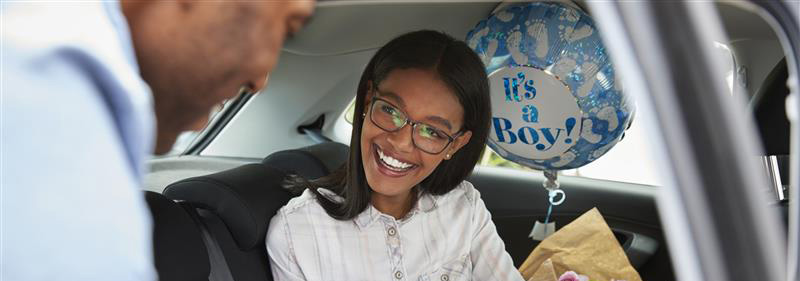
Did you know that even at just a few days old, babies crave positive experiences with parents and caregivers? Creating those happy times will set patterns and build a strong relationship that will last a lifetime.